“The world, we are told, was made especially for man, a presumption not supported by all the facts.”
— John Muir A Thousand-Mile Walk to the Gulf
Water levels in Florida hit a record low this month. The state has been hit especially hard by an ongoing drought that has been affecting North America since late 2025 (NIDIS 2026).
Precipitation is the source of all freshwater in Florida (Miller 1997). While most rainfall is lost to evapotranspiration, a significant portion moves directly into lakes and rivers as runoff, or percolates through soils and into aquifers. Surface water levels of lakes and wetlands in Florida are closely tied to these aquifer levels, and prolonged droughts can lower both aquifer and lake levels, reducing surface connectivity between watersheds; conversely, when water levels are high, surface connections may link multiple watersheds.
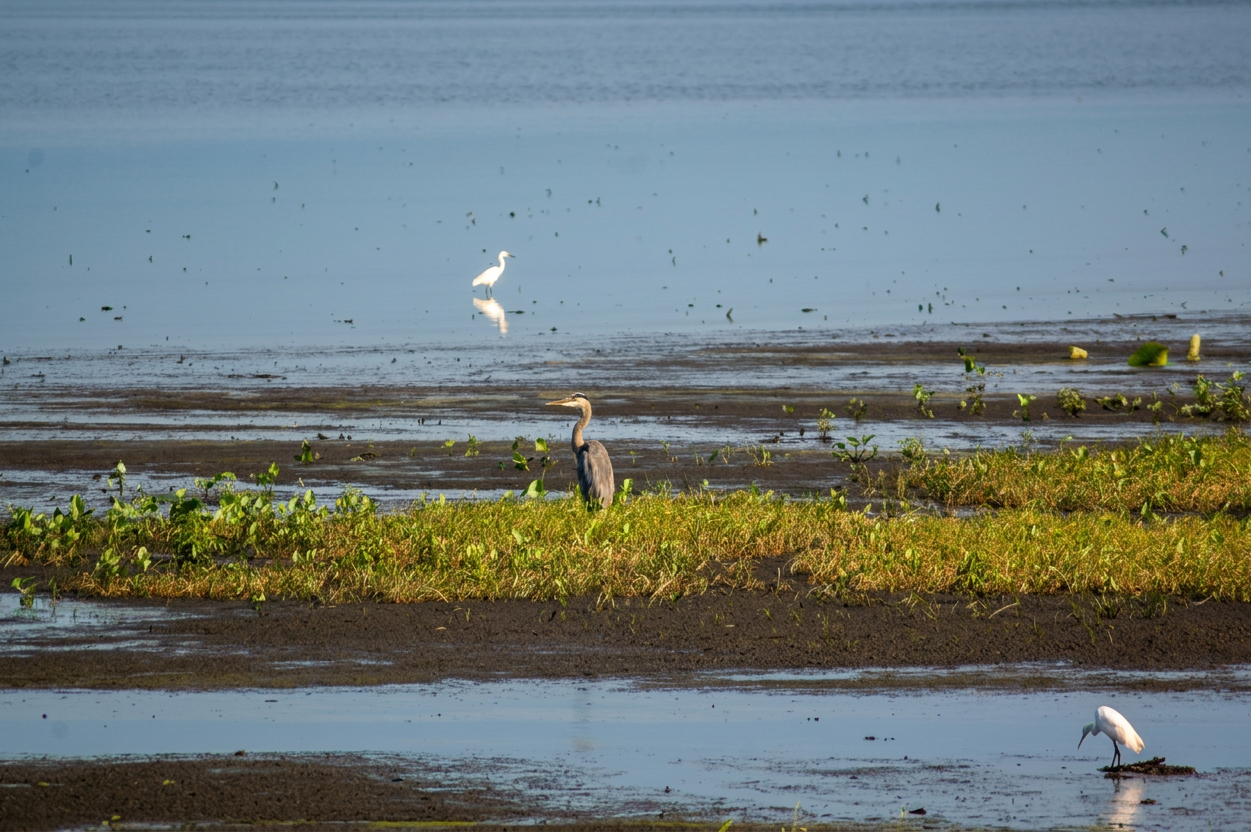
Lake Pithlachocco fluctuates on both seasonal and long-term time scales. Century-scale flooding events have been linked to sinkhole blockages at Alachua Lake (now Paynes Prairie), and decadal-scale extremes have included heavy rainfall from tropical systems such as hurricanes (Cooke 1939; USDA 1985). Alternatively, prolonged droughts have lowered lake levels dramatically. Severe dry periods affecting Lake Pithlachocco perennially expose the cache of Archaic period dugout canoes superficially preserved within the lakebed (Wheeler et al. 2003).
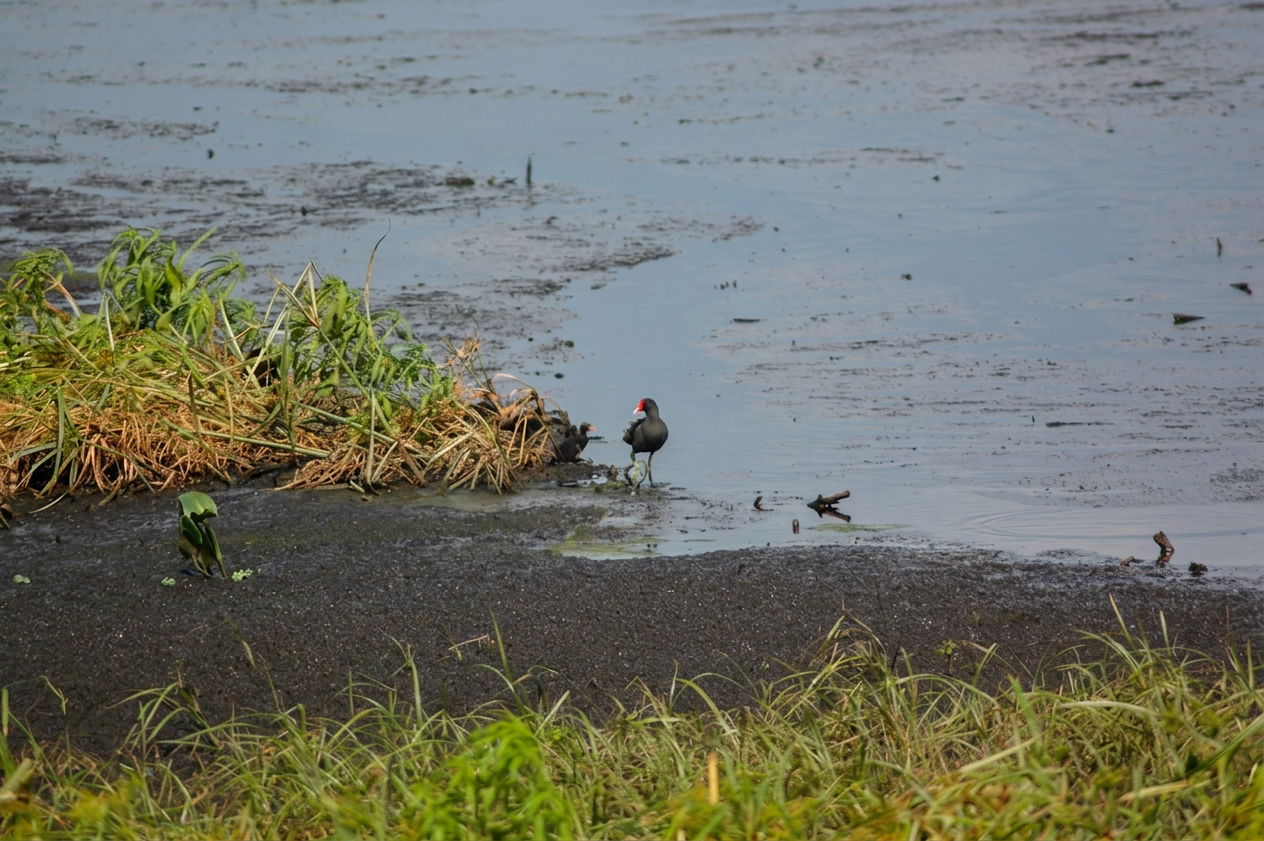
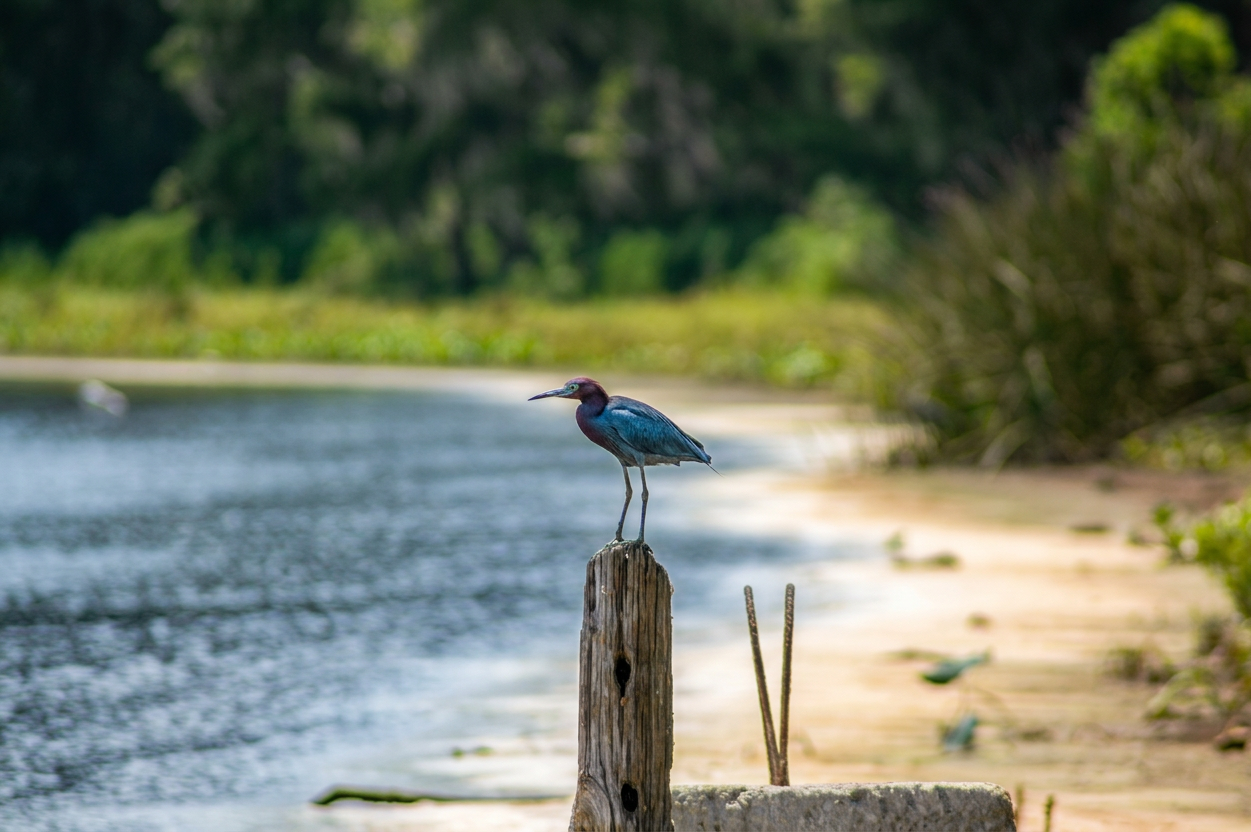
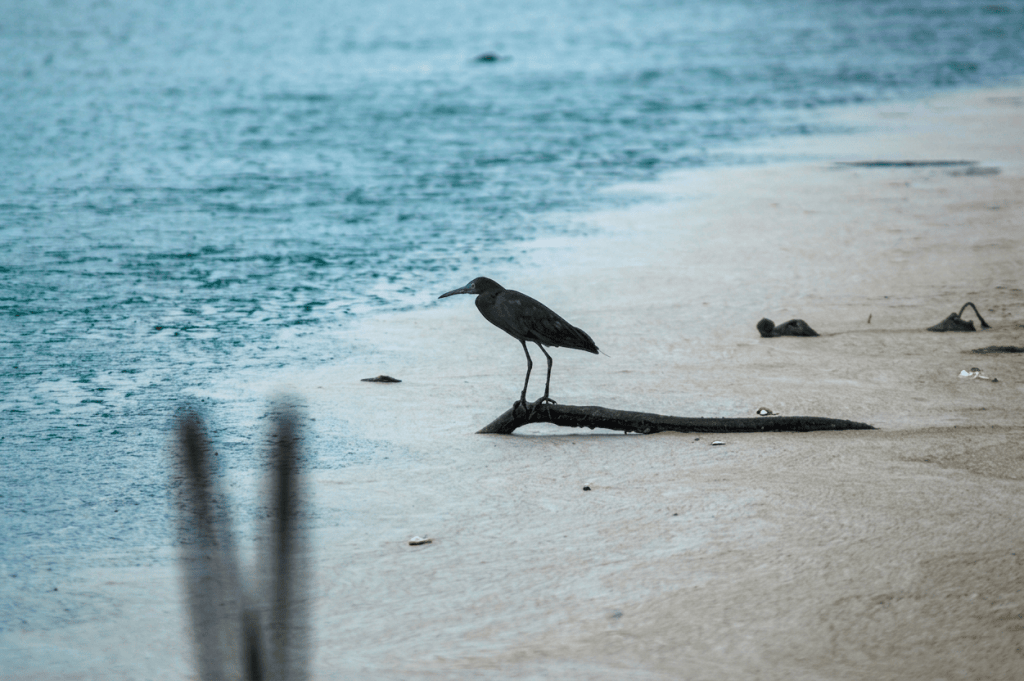
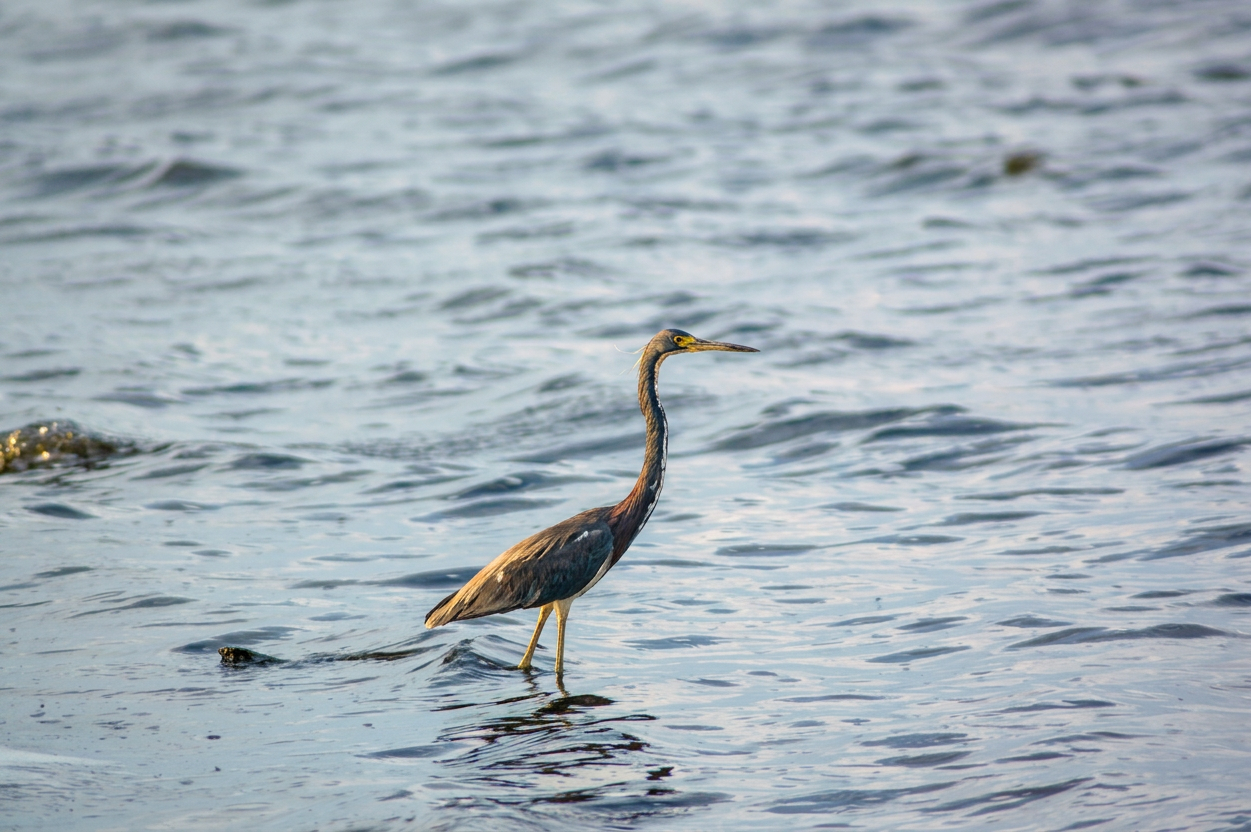
Pithlachocco is also a known spot for birding, which led to this photo series. The site hosts a plethora of incredible species, particularly those adapted to change, a defining characteristic of wet-lands.
Wet-lands
Wetlands are among the most characteristic ecosystems in Florida, shaped by the state’s shallow topography, abundant groundwater resources, and seasonal precipitation patterns. Their ecological character is closely tied to the dynamics of Florida’s extensive aquifer systems and fluctuating water tables, which cause wetlands to expand and contract throughout the year and across longer climatic cycles. Seasonal rainfall, drought, and groundwater discharge create constantly shifting mosaics of open water marsh, swamp, and upland habitats.
These hydrological processes produce highly productive and biodiverse environments that support fish, amphibians, birds, reptiles, and plant communities adapted periodic flooding and drying and unstable environments through which the dynamic system of biodiversity emerges, through change, rather than equilibrium (Moi 2022).
What does this mean for conservation strategies, ones which often promote a return to a singular abstract ‘baseline’?
Perhaps these strategies should reflect a process-based approach to ecological restoration. Rather than simply repairing visible damage, seeking to restore the ecological functions that allow landscapes to become self-sustaining.
Conservation
This reframing should not diminish the importance of conservation, but instead provide a more realistic and inclusive foundation for the study of its management.
1. Water Supply, Quality, and Regulation
In many ecosystems, water is the master variable that controls everything from soil chemistry to plant communities and wildlife distributions.
In Florida, restoration focuses on:
- restoring more natural flow regimes
- improving water quality by reducing nutrients (especially phosphorus and nitrogen!)
- reconnecting rivers, wetlands, floodplains, and aquifers
2. Reconnection of Ecosystems
Healthy ecosystems depend on connectivity. Roads, canals, dams, urban development, and drainage projects can isolate habitats, preventing movement of water, nutrients, fish, wildlife, and even plants.
Rehabilitation therefore seeks to reconnect:
- wetlands with adjacent uplands
- rivers with floodplains
- estuaries with freshwater inflows
- wildlife populations through habitat corridors
Restoring connectivity improves biodiversity because species can disperse, recolonize disturbed areas, and maintain genetic diversity. It also increases ecosystem resilience to hurricanes, droughts, invasive species, and climate change.
3. Sustainable Economy
Modern restoration recognizes that ecosystems cannot simply be “protected from people.” Instead agriculture, transportation, and industry must operate in ways that are compatible with ecological processes.
This includes:
- protecting wetlands during development
- reducing nutrient runoff from agriculture
- balancing economic growth with long-term ecosystem health
Florida illustrates this challenge perhaps better than any state. Rapid population growth increases demand for housing, roads, drinking water, and agriculture while simultaneously placing pressure on wetlands, springs, estuaries, and coastal ecosystems.
Conclusions
Water levels have always drastically fluctuated in Florida. These fluctuations are a critical aspect of the region’s ecology, influencing not only the flora and fauna but also my archaeological work! It’s essential to recognize that such changes are not just temporary; they form a pattern that has shaped the landscape and the lives of those who have inhabited it for millennia.
References
Cooke, C. W. (1939). Scenery of Florida: interpreted by a geologist: No. 17. Florida Geological Survey.
Miller, J. J. (1997) Hydrogeology of Florida. In The Geology of Florida, edited by A. F. Randazzo and D. S. Douglas, pp. 69-88. University Press of Florida, Gainesville.
Moi, D.A., Lansac-Tôha, F.M., Romero, G.Q., et al. (2022) Human Pressure Drives Biodiversity-Multifunctionality Relationships in Lage Neotropical Wetlands, Nature Ecology & Evolution, 6(9), 1279–1289. https://doi.org/10.1038/s41559-022-01827-7
National Integrated Drought Information System. (2026, April 16). Drought status update for the Southeast. Drought.gov. https://www.drought.gov/drought-status-updates/drought-status-update-southeast-2026-04-16
U.S. Department of Agriculture (USDA) (1985). Soil Survey of Alachua County, Florida. Soil Conservation Service, Washington, D.C.
Wheeler, R. J., Miller, J. J., McGee, R. M., Ruhl, D., Swann, B., & Memory, M. (2003). Archaic Period Canoes from Newnans Lake, Florida. American Antiquity, 68(3), 533–551. https://doi.org/10.2307/3557107

