-
Defend Section 106
Section 106 of the National Historic Preservation Act of 1966 (NHPA) is the single piece of federal law most responsible for turning archaeology into what practitioners often call a “compliance industry.” It requires federal agencies to evaluate how their actions, for example funding a highway, issuing a permit, or approving a development, might affect historic…
-
What is Deadhead Logging?
Deadhead logs are the submerged remnants of timber harvested during historic logging operations and have become highly valued by the specialty lumber industry due to their dense, well-preserved heartwood. During the nineteenth and early twentieth centuries, vast quantities of timber were harvested and transported via rivers, supplying wood for major construction projects, including great landmarks…
-
Wet-lands: Lake Pithlachocco
“The world, we are told, was made especially for man, a presumption not supported by all the facts.” — John Muir A Thousand-Mile Walk to the Gulf Water levels in Florida hit a record low this month. The state has been hit especially hard by an ongoing drought that has been affecting North America since…
Florida holds the largest collection of archaeological dugout canoes in the world, and the oldest in the Western Hemisphere
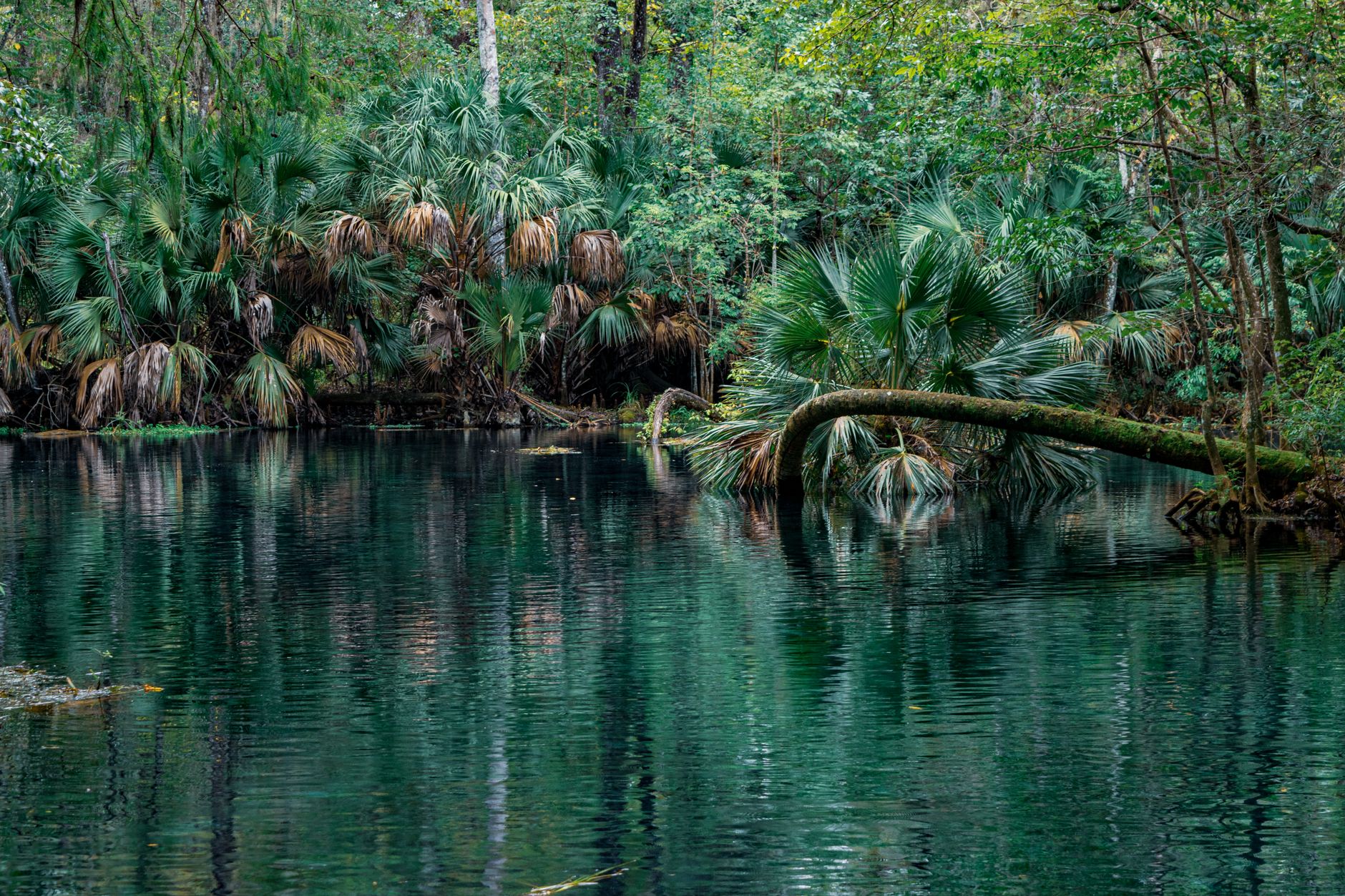
Much of Florida’s archaeological heritage lies submerged underwater, beyond our view. Beneath the surface of lakes, rivers, and springs lie traces of thousands of years of human presence and records which hold stories of ever-changing environments. As vital arteries, Florida’s waterways carry and connect life throughout the landscape, connecting interiors to outer seas, shaping the course of human history. Intimately linked to these waterways is perhaps the most transient artifact of all, the dugout canoe.
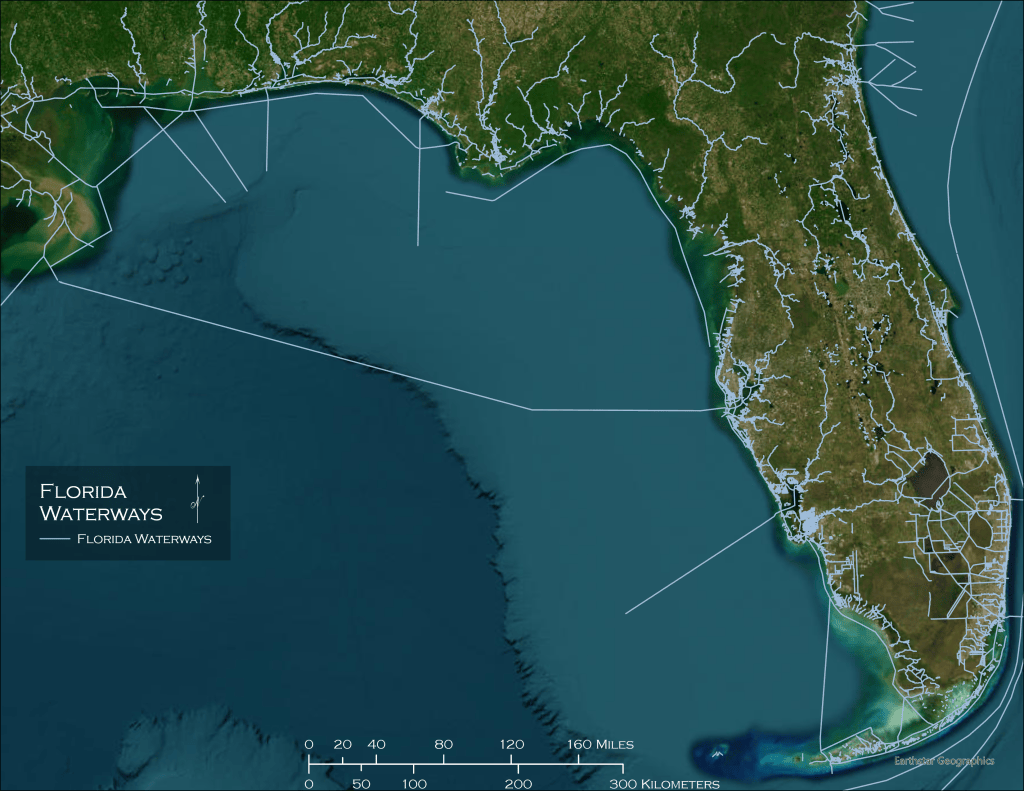
Research has established Florida as home to the largest known assemblage of dugout canoes worldwide (Ruhl & Purdy 2005), the largest concentration at any one site (Wheeler et al. 2003), and the oldest radio-carbon dated canoes in the Western Hemisphere (Hartmann 1996). Archaeological canoes, as opposed to their true transient nature, have been typically treated as static artifacts, meaning they are framed as fixed objects bound to a single site, rather than as entities whose identities re-emerge through ongoing movement, use, reuse, deposition, and re-exposure within dynamic waterscapes.
Florida’s waterways act as hydro-social routes which exist as and host persistent places (Schlanger 1992) within which dugout canoes exist as transient entities. Water itself is an element to reckon with. It is opaque; it hides what it holds, preserving its precious things (Rozental “Estelas de rios”).
Thus, a large amount of Florida’s heritage lies underwater, and current methods for locating and studying these sites remain inadequate.
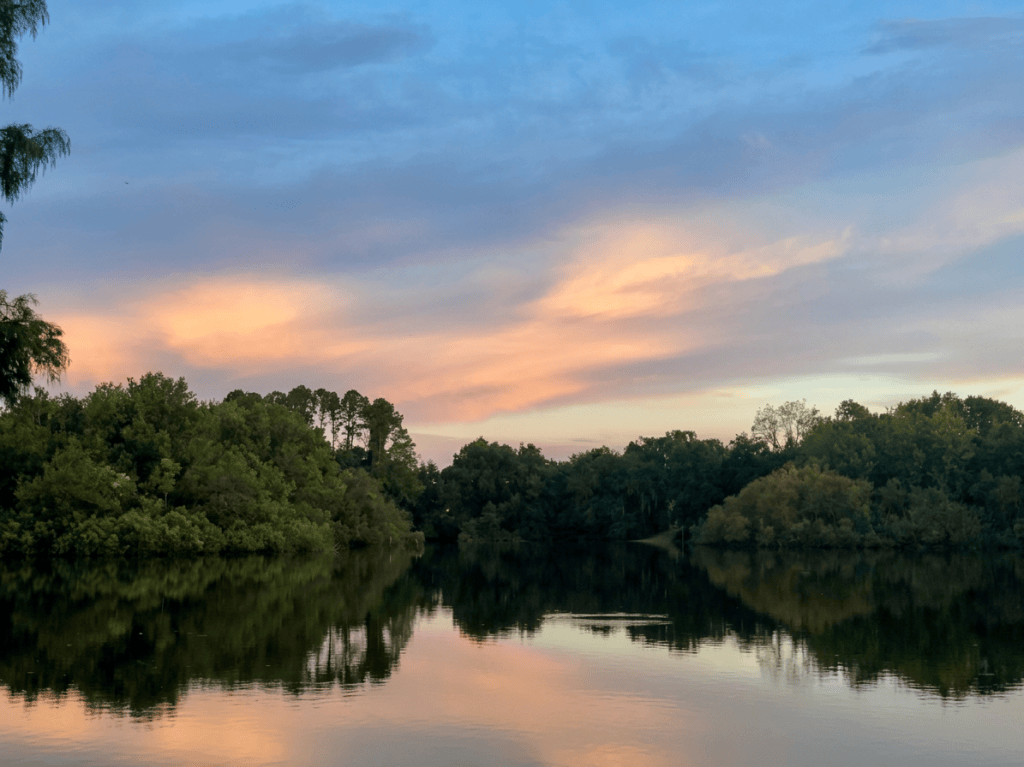
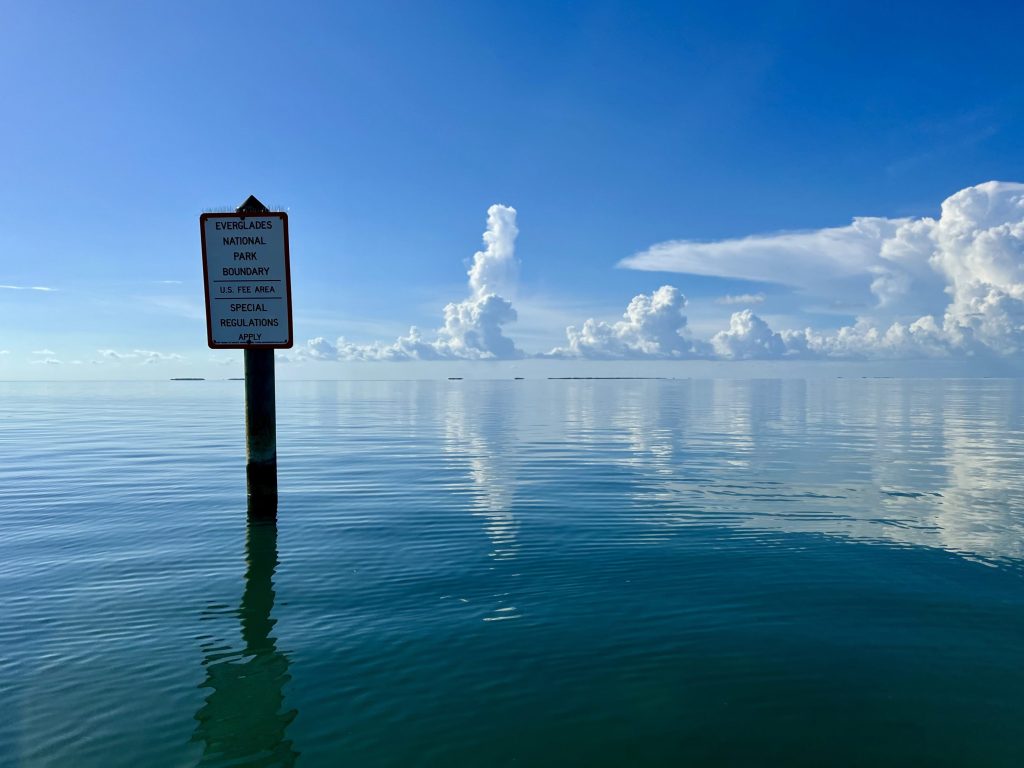
Tribal and State officials are regularly notified of ancient dugout canoes rediscovered as water levels fluctuate through drought, shifting shorelines, and changing river channels. What can these contexts tell us? Archaeologist Julia Duggins argues that many canoes were not simply left abandoned, but Instead intentionally cached where travelers could return to them, most especially at transit points where one waterway meets another, where portages begin or end (Duggins 2019). In this way, such transit points can be intentionally surveyed for submerged canoes, helping to map ancient navigation networks across the peninsula.
Literature
- Duggins, Julie. 2019. Canoe Caching at Transit Points: Inferring Florida’s Ancient Navigation Routes Using Archaeology and Ethnohistory. In Iconography and Wetsite Archaeology of Florida’s Watery Realms, edited by Wheeler, Ryan J., and Joanna Ostapkowicz. University of Florida Press, Gainesville.
- Hartmann, Mark. 1996. Development of Watercraft in the Prehistoric Southeastern United States, edited by Donny L. Hamilton. ProQuest Dissertations Publishing, Ann Arbor.
- Ruhl, Donna L., and Barbara A. Purdy. 2005. One Hundred-one Canoes on the Shore – 3–5,000 year old Canoes from Newnans Lake, Florida. Journal of Wetland Archaeology 5 (1):111-127.
- Sandra Rozental, Estelas del Río. 2020. Text, photographs and archive images. https://entre-rios.net/estelas-del-rio-3
- Schlanger, Sarah H. 1992. “Recognizing Persistent Places in Anasazi Settlement Systems.” In Space, Time, and Archaeological Landscapes, edited by Jaqueline Rossignol and LuAnn Wandsnider, pp. 91-112. Springer, New York.
- Wheeler, Ryan J., James J. Miller, Ray M. McGee, Donna Ruhl, Brenda Swann, and Melissa Memory. 2003. Archaic Period Canoes from Newnans Lake, Florida. American Antiquity 68 (3):533-551.

