Section 106 of the National Historic Preservation Act of 1966 (NHPA) is the single piece of federal law most responsible for turning archaeology into what practitioners often call a “compliance industry.” It requires federal agencies to evaluate how their actions, for example funding a highway, issuing a permit, or approving a development, might affect historic properties before they move forward.
Under the process, the agency overseeing a project has to invite in interested parties, such as preservation groups, local governments, and Tribal governments, to weigh in. Agencies currently have to consider whether a project would cause “adverse effects” to a historic property, and if so, look for ways to avoid, minimize, or mitigate that harm.
Legal Mandates & Regulations
On July 18, 2026, the Advisory Council on Historic Preservation (ACHP) circulated draft revisions to Section 106 for a vote. The changes would redefine what kinds of properties can be considered historic, make public comment on new projects optional, and remove the requirement to consult with Native American Tribes. The council voted Friday, July 24, to advance those changes.
The practical effects, as described in the council’s own memo, are substantial:
- Narrower definition of what counts as historic: “Significant cultural landscape features” (for example, the Grand Canyon) would no longer qualify as historic properties under the proposed language.
- New exemptions for entire categories of projects: State highway widening projects, historically destructive to neighborhoods and burial sites alike, would no longer trigger Section 106 review under the new rules.
- A narrower definition of “adverse effect”: The revised wording would limit adverse effects to those directly and foreseeably tied to a project, excluding indirect or cumulative effects.
- Consultation replaced with a report: Rather than consulting affected parties throughout the process, agencies could condense the review into a written report and simply share it with third parties afterward, rather than involving them along the way.
- Public comment made optional: The current requirement affirming that public input is essential to informed federal decision-making would be stripped out entirely.
- Tribal consultation requirements removed: This is arguably the most significant change, given how central Tribal input has become to Section 106 review since NAGPRA reinforced its importance.
This isn’t the first Section 106 skirmish of the year. The Cultural Landscape Foundation has already sued over the administration’s repainting of the Lincoln Memorial Reflecting Pool, alleging the National Park Service used an improperly “streamlined” version of Section 106 review to fast-track the project (Cultural Landscape Foundation v. Department of the Interior).
The Section 106 Process
Section 106 requires federal agencies to pause and consider the effects of their actions on historic properties before moving forward. If a federal undertaking might affect a historic site, the agency has to assess the impact and consult with stakeholders, including Tribal nations.
The goal isn’t to halt development; it’s to make sure historic and cultural sites are evaluated and, where possible, protected or documented before they’re lost.
In practice, Section 106 review moves through three phases:
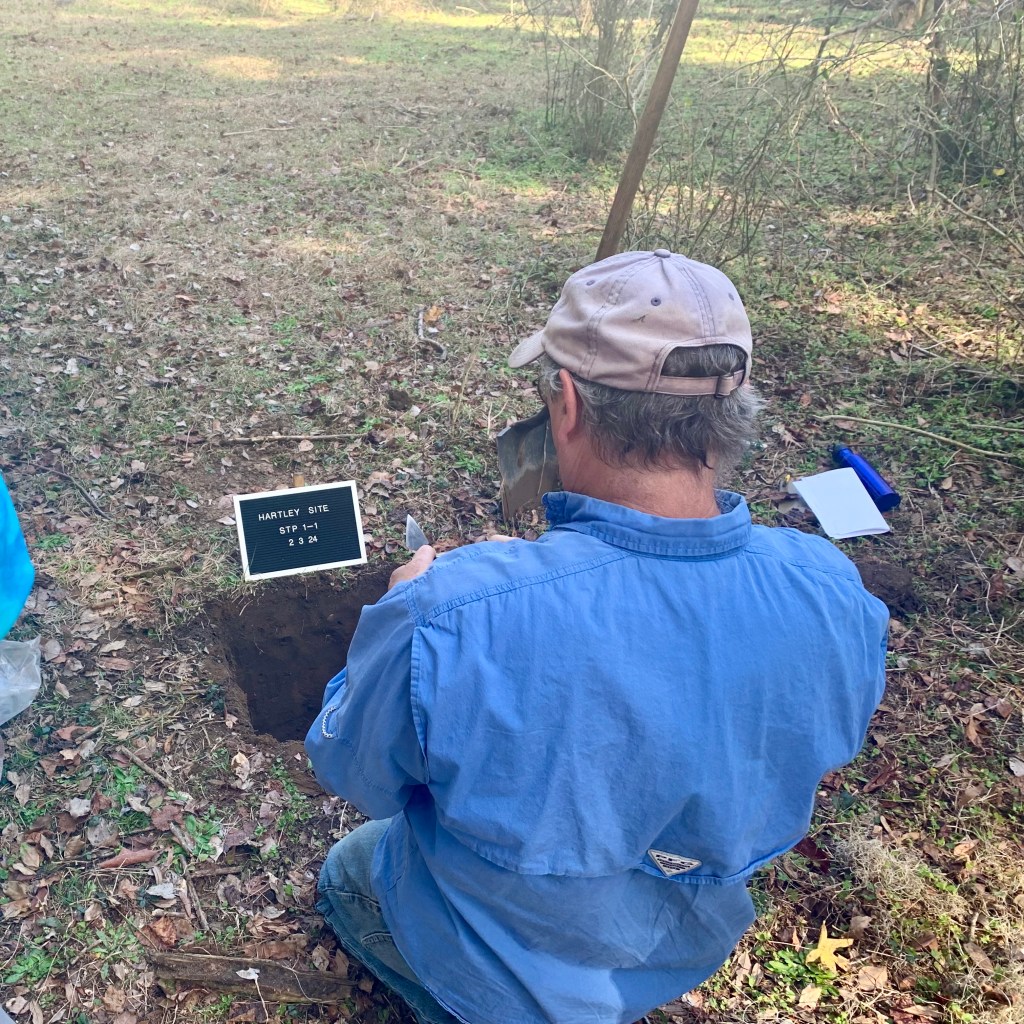
- Phase I (identification): A reasonable, good-faith effort to physically survey a project area and identify historic properties, done in consultation with the State Historic Preservation Officer (SHPO) and the Tribal Historic Preservation Officer (THPO).
- Phase II (evaluation): Properties identified in Phase I are assessed for National Register eligibility, again in consultation with the SHPO/THPO and any Tribes or Native organizations with a cultural or religious stake in the resource.
- Phase III (data recovery/mitigation): Full-scale excavation, technically classified as an adverse effect in its own right, and again authorized only by the agency, not the archaeologist.
A few important caveats:
- Section 106 only applies to federally enabled projects.
- The federal agency, not the archaeologist working for them, makes the final call, through a consultation process.
- Being eligible for or even listed on the National Register doesn’t guarantee protection. Section 106 isn’t meant to stop construction; it creates a pause so information can be collected before a site is compromised.
The recent move to weaken Section 106 did not come from a congressional vote. It came from a vote by the ACHP, which is the federal body that oversees the Section 106 process.
This is a regulatory rulemaking process, which means it can still be challenged in court and through public comment before it takes effect.
Contact your elected officials.
Check out these sources:
National Trust for Historic Preservation
Cultural Heritage Partners: Law, Policy, Strategy

