Category: Archaeology (Anthropology)

Anthropological support for Florida’s waterways. Includes personal field notes and drawings, maps, and DOI for relevant research and articles.

  • Defend Section 106

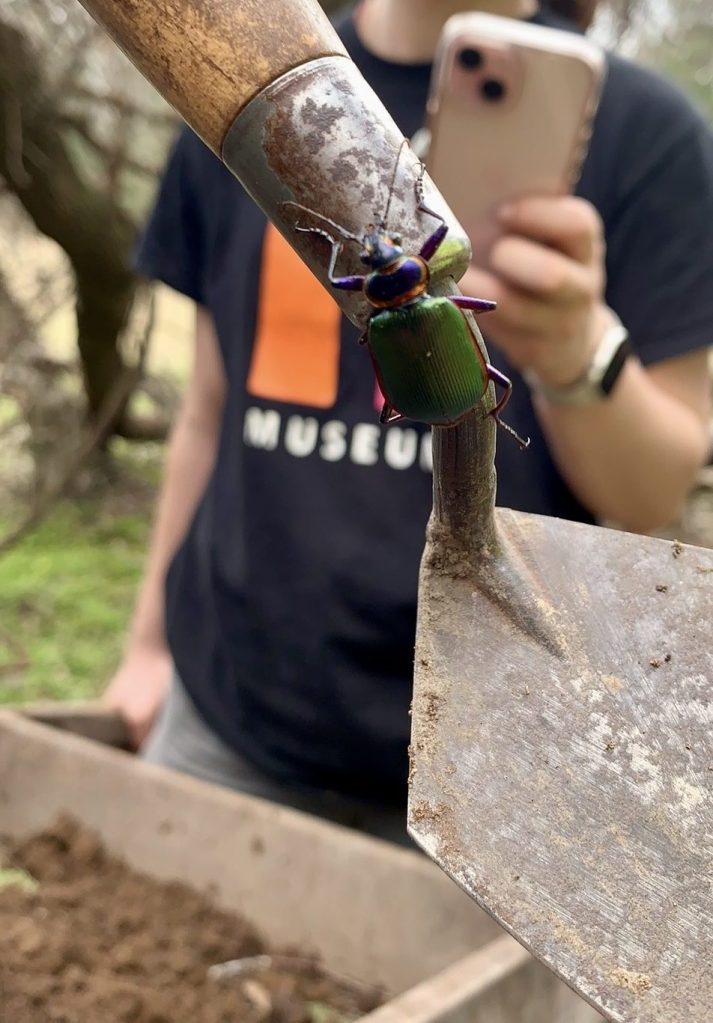
    A Fiery Searcher (Calosoma scrutator), a species of ground beetle, also known as the Caterpillar Hunter.

    Section 106 of the National Historic Preservation Act of 1966 (NHPA) is the single piece of federal law most responsible for turning archaeology into what practitioners often call a “compliance industry.” It requires federal agencies to evaluate how their actions, for example funding a highway, issuing a permit, or approving a development, might affect historic properties before they move forward.

    Under the process, the agency overseeing a project has to invite in interested parties, such as preservation groups, local governments, and Tribal governments, to weigh in. Agencies currently have to consider whether a project would cause “adverse effects” to a historic property, and if so, look for ways to avoid, minimize, or mitigate that harm.

    Legal Mandates & Regulations

    On July 18, 2026, the Advisory Council on Historic Preservation (ACHP) circulated draft revisions to Section 106 for a vote. The changes would redefine what kinds of properties can be considered historic, make public comment on new projects optional, and remove the requirement to consult with Native American Tribes. The council voted Friday, July 24, to advance those changes.

    The practical effects, as described in the council’s own memo, are substantial:

    • Narrower definition of what counts as historic: “Significant cultural landscape features” (for example, the Grand Canyon) would no longer qualify as historic properties under the proposed language.
    • New exemptions for entire categories of projects: State highway widening projects, historically destructive to neighborhoods and burial sites alike, would no longer trigger Section 106 review under the new rules.
    • A narrower definition of “adverse effect”: The revised wording would limit adverse effects to those directly and foreseeably tied to a project, excluding indirect or cumulative effects.
    • Consultation replaced with a report: Rather than consulting affected parties throughout the process, agencies could condense the review into a written report and simply share it with third parties afterward, rather than involving them along the way.
    • Public comment made optional: The current requirement affirming that public input is essential to informed federal decision-making would be stripped out entirely.
    • Tribal consultation requirements removed: This is arguably the most significant change, given how central Tribal input has become to Section 106 review since NAGPRA reinforced its importance.
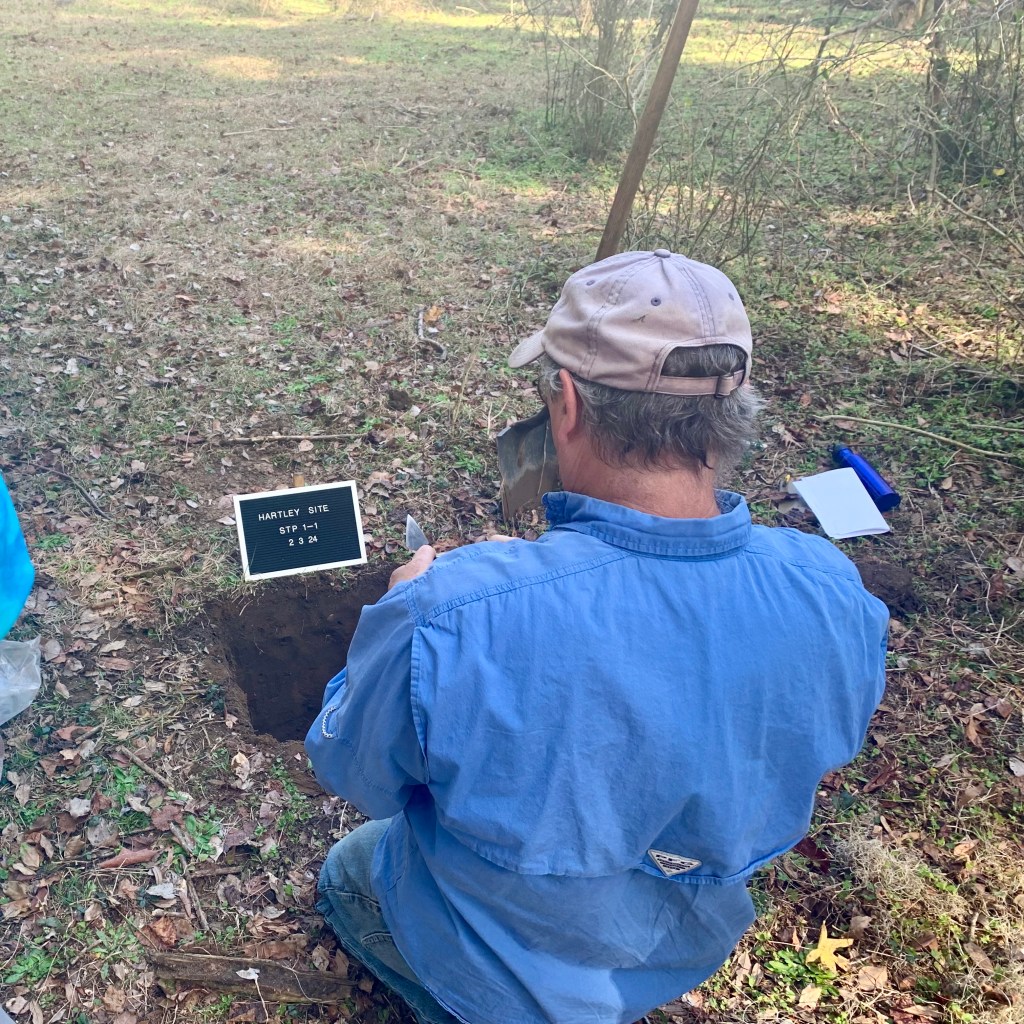
    Searching for Old Bellamy Road at the “Hartley Site” in 2024.

    This isn’t the first Section 106 skirmish of the year. The Cultural Landscape Foundation has already sued over the administration’s repainting of the Lincoln Memorial Reflecting Pool, alleging the National Park Service used an improperly “streamlined” version of Section 106 review to fast-track the project (Cultural Landscape Foundation v. Department of the Interior).

    The Section 106 Process

    Section 106 requires federal agencies to pause and consider the effects of their actions on historic properties before moving forward. If a federal undertaking might affect a historic site, the agency has to assess the impact and consult with stakeholders, including Tribal nations.

    The goal isn’t to halt development; it’s to make sure historic and cultural sites are evaluated and, where possible, protected or documented before they’re lost.

    In practice, Section 106 review moves through three phases:

    • Phase I (identification): A reasonable, good-faith effort to physically survey a project area and identify historic properties, done in consultation with the State Historic Preservation Officer (SHPO) and the Tribal Historic Preservation Officer (THPO).
    • Phase II (evaluation): Properties identified in Phase I are assessed for National Register eligibility, again in consultation with the SHPO/THPO and any Tribes or Native organizations with a cultural or religious stake in the resource.
    • Phase III (data recovery/mitigation): Full-scale excavation, technically classified as an adverse effect in its own right, and again authorized only by the agency, not the archaeologist.

    A few important caveats:

    • Section 106 only applies to federally enabled projects.
    • The federal agency, not the archaeologist working for them, makes the final call, through a consultation process.
    • Being eligible for or even listed on the National Register doesn’t guarantee protection. Section 106 isn’t meant to stop construction; it creates a pause so information can be collected before a site is compromised.

    The recent move to weaken Section 106 did not come from a congressional vote. It came from a vote by the ACHP, which is the federal body that oversees the Section 106 process.

    This is a regulatory rulemaking process, which means it can still be challenged in court and through public comment before it takes effect.

    Contact your elected officials.

    Check out these sources:

    National Trust for Historic Preservation

    Cultural Heritage Partners: Law, Policy, Strategy
    Society for American Archaeology (SAA)

    National Public Radio (NPR)

  • What is Deadhead Logging?

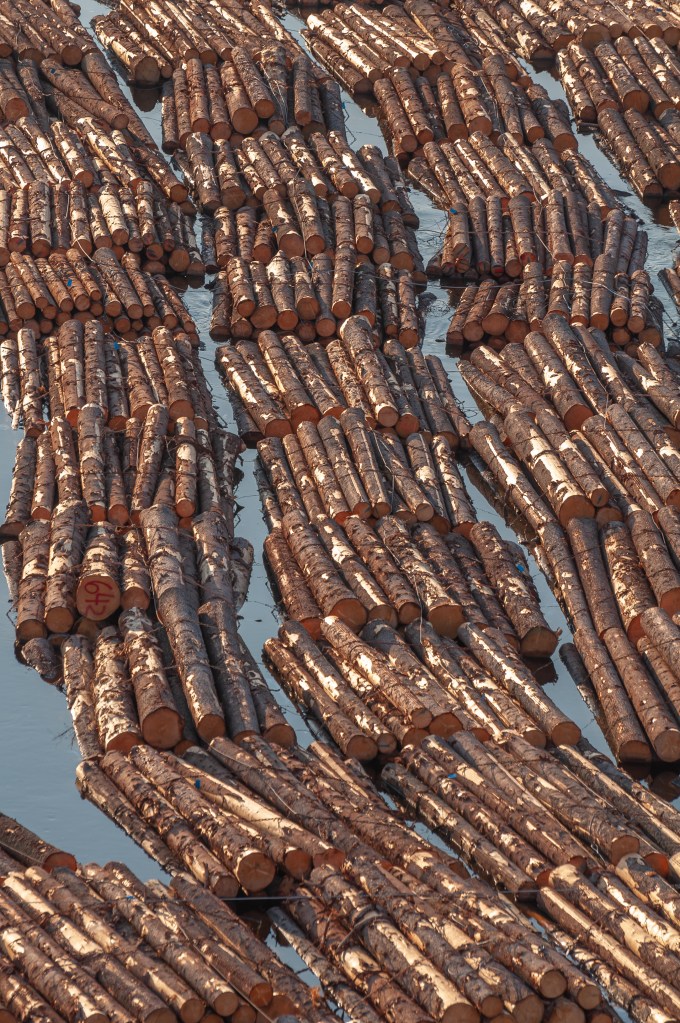
    Transportation of wood by water. A tugboat pulls a log boom. (PC: Adobe Stock, Finland)

    Deadhead logs are the submerged remnants of timber harvested during historic logging operations and have become highly valued by the specialty lumber industry due to their dense, well-preserved heartwood.

    During the nineteenth and early twentieth centuries, vast quantities of timber were harvested and transported via rivers, supplying wood for major construction projects, including great landmarks such as Grand Central Station and the original Yankee Stadium (Kenny 2000).

    In the course of transport, ~10% of logs, dense, resin-rich “sinkers”, became waterlogged and sank to the bottom, where they remained preserved in anoxic conditions. In some cases, logs were intentionally stored underwater to prevent rot (Oliverio 2024).

    Renowned demand for this material led to the reinstatement of deadhead logging in Florida in 1998 after 25-year ban; however, regulatory frameworks governing this practice were largely designed for river systems and failed to adequately account for the ecological complexity of lake environments (Gallagher 2000).

    As a result, permitted logging operations at Lake Pithlachocco caused significant damage to both ecological and cultural resources. These impacts were exacerbated by the lack of comprehensive biological surveys prior to permitting, as well as insufficient coordination among state agencies (Gallagher 2000). Debates surrounding deadhead logging reveal competing interpretations of ecological value and management.

    The Case

    Proponents argue that submerged logs are unnatural features of river and lake systems, having originated from upland forests, and that their removal is environmentally benign or even beneficial. They further contend that regulated logging can reduce illegal and unmonitored extraction while decreasing pressure on standing forests.

    Opponents, however, emphasize that these logs have become integral components of aquatic ecosystems, providing habitat structure and supporting diverse biological communities. Critics also point to inconsistent enforcement and insufficient environmental review, arguing that state oversight has failed to adequately protect both ecological resources and cultural heritage.

    Empirical observations suggest that these logs indeed host diverse biological communities, and their removal may have cascading ecological effects (Gallagher 2000; Oliverio 2024).

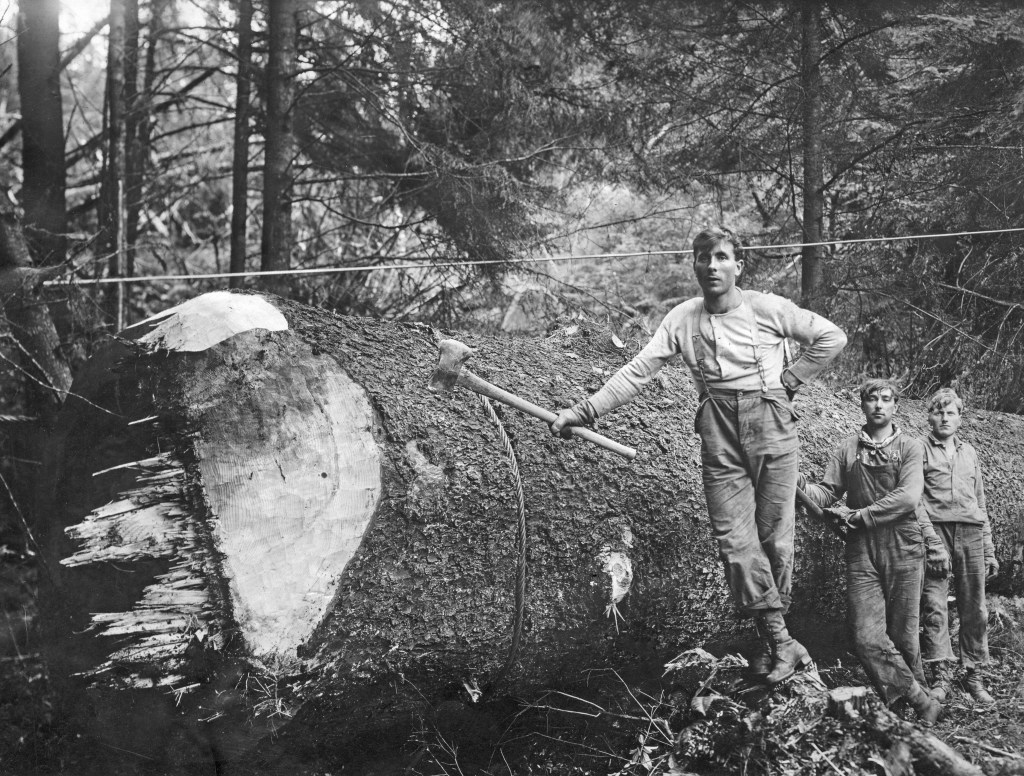
    Three loggers next to downed tree Original Collection: Gerald W. Williams Collection (The Oregon State University Collections and Archives)
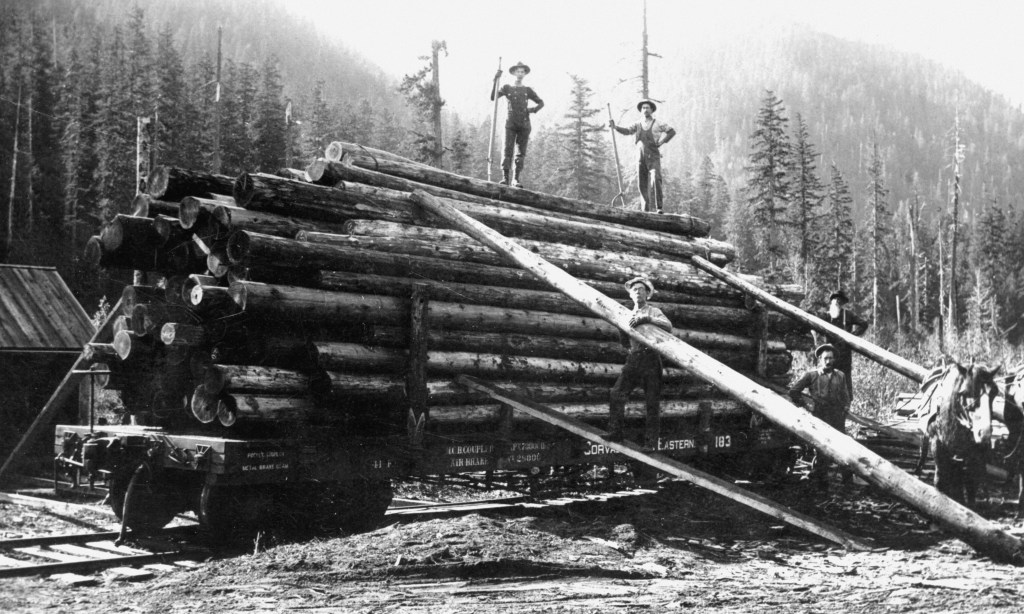
    Corvallis And Eastern Railroad Logging Car Original Collection: Gerald W. Williams Collection, 1855-2007 Taken circa 1900 (The Oregon State University Collections and Archives)

    Deadhead Logging at Lake Pithlachocco Canoe Site

    The extraction of submerged lumber from Lake Pithlachocco not only resulted in damage to the archaeological site but reiterated and exposed the failures in regulatory frameworks which fail to account for biodiverse lake environments, not to mention cultural heritage.

    The failure of policy to distinguish between river and lake systems further demonstrates how generalized policy approaches can overlook local ecological variation and lead to unintended consequences, and the lack of inter-agency communication and absence of consultation with Indigenous communities with clearly inherent, invested interest of the site further underscores the limitations of existing environmental management approaches.

    Regardless of position, there is also a shared recognition that these submerged remnants of Florida’s early timber industry are finite, as well. As extraction continues, the remaining supply of historic heartwood is rapidly diminishing, raising broader questions about resource use, conservation priorities, and the long-term consequences of treating both ecological and cultural materials as recoverable commodities.

    Conclusions

    The question of whether deadhead logging should be permitted in Florida’s lakes, and under what conditions, remains unresolved and deeply contested. Current regulatory frameworks reveal significant shortcomings, particularly in the assessment of ecological impacts prior to permitting.

    Sampling of submerged logs has demonstrated that these structures support relatively diverse and productive wildlife communities, functioning as important habitat within aquatic ecosystems (Gallagher 2000). The removal of even a portion of the remaining logs, already limited in number, has the potential to negatively impact fish and wildlife populations. This concern is compounded by broader landscape changes: extensive terrestrial logging has reduced the availability of large trees that would naturally contribute to future woody debris inputs. As a result, many of the existing deadhead logs, some of which have remained submerged for over a century, now serve as foundational structures that support more recent ecological assemblages.

    Despite this, policy responses have been uneven. While deadhead logging in river systems has faced increasing scrutiny and regulatory reform, lake environments have often been excluded from these protections (Oliverio 2024). This oversight is particularly problematic given the distinct ecological characteristics of lakes, which tend to retain materials and nutrients rather than flushing them downstream (Miller 1997; Gallagher 2000). The removal of submerged logs in such systems may therefore have more pronounced and lasting ecological consequences.

    Given these considerations, there is a strong argument that deadhead logging should be prohibited in Florida’s lakes entirely, or at minimum subjected to far more rigorous environmental review and regulation. The current lack of lake-specific safeguards within existing policy frameworks highlights a broader issue in which environmental management strategies frequently fail to account for the complexity and variability of aquatic ecosystems.

    This is especially pertinent to Florida environmental policy.

    References

    Gallagher, J.F. (2000) Governor Stops Lake Logging. Seminole Tribune. September 8, 2000.

    Kenny, C. (2000) What Exactly is Deadhead Logging? Seminole Tribune. September 8, 2000.

    Miller, James A. (1997) Hydrogeology of Florida. In The Geology of Florida, edited by A.F. Randazzo and D.S. Douglas, pp. 69-88. University Press of Florida, Gainesville.

    Oliverio, Carmen (2024) The Collection of Historical Fossils and Deadhead Logs in Local Waters. Division of Water Resource Management/Northeast District Florida Department of Environmental Protection, Alachua County. Oct. 17, 2024.

  • Wet-lands: Lake Pithlachocco

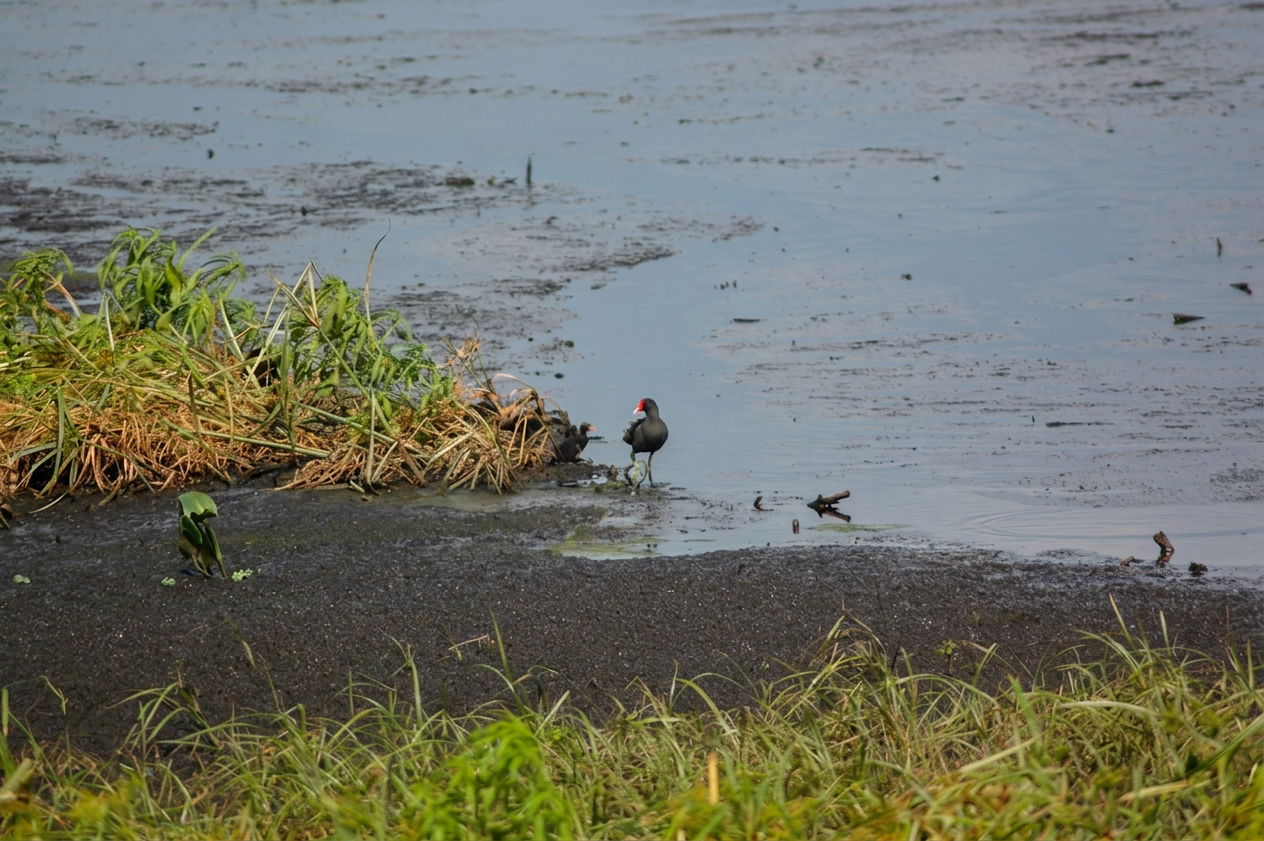
    A Common Gallinule (Gallinula galeata) and chicks, who prefer well-vegetated marshes, lakes, and wetlands in the Americas.

    “The world, we are told, was made especially for man, a presumption not supported by all the facts.”
    — John Muir A Thousand-Mile Walk to the Gulf

    Water levels in Florida hit a record low this month. The state has been hit especially hard by an ongoing drought that has been affecting North America since late 2025 (NIDIS 2026).

    Precipitation is the source of all freshwater in Florida (Miller 1997). While most rainfall is lost to evapotranspiration, a significant portion moves directly into lakes and rivers as runoff, or percolates through soils and into aquifers. Surface water levels of lakes and wetlands in Florida are closely tied to these aquifer levels, and prolonged droughts can lower both aquifer and lake levels, reducing surface connectivity between watersheds; conversely, when water levels are high, surface connections may link multiple watersheds.

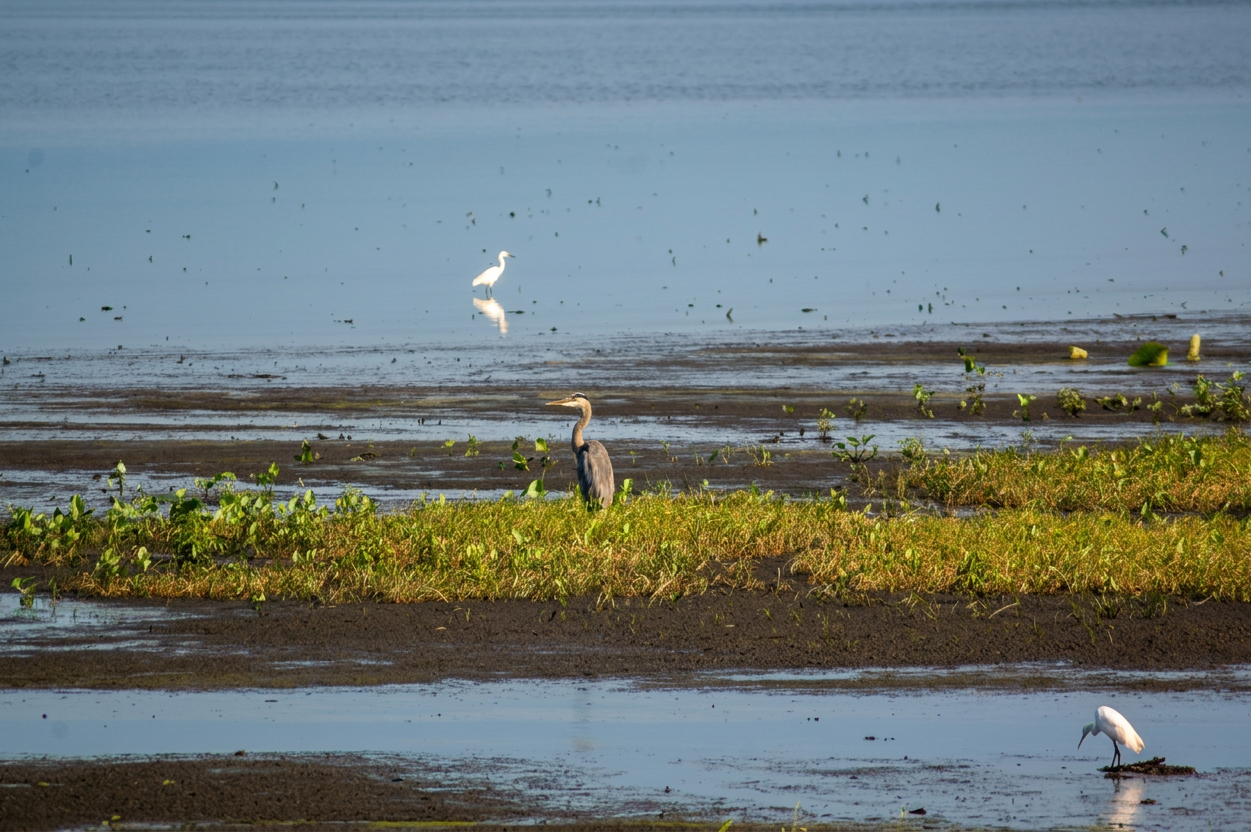
    A Great Blue Heron (Ardea herodias) among Great Egrets (Ardea alba).

    Lake Pithlachocco fluctuates on both seasonal and long-term time scales. Century-scale flooding events have been linked to sinkhole blockages at Alachua Lake (now Paynes Prairie), and decadal-scale extremes have included heavy rainfall from tropical systems such as hurricanes (Cooke 1939; USDA 1985). Alternatively, prolonged droughts have lowered lake levels dramatically. Severe dry periods affecting Lake Pithlachocco perennially expose the cache of Archaic period dugout canoes superficially preserved within the lakebed (Wheeler et al. 2003).

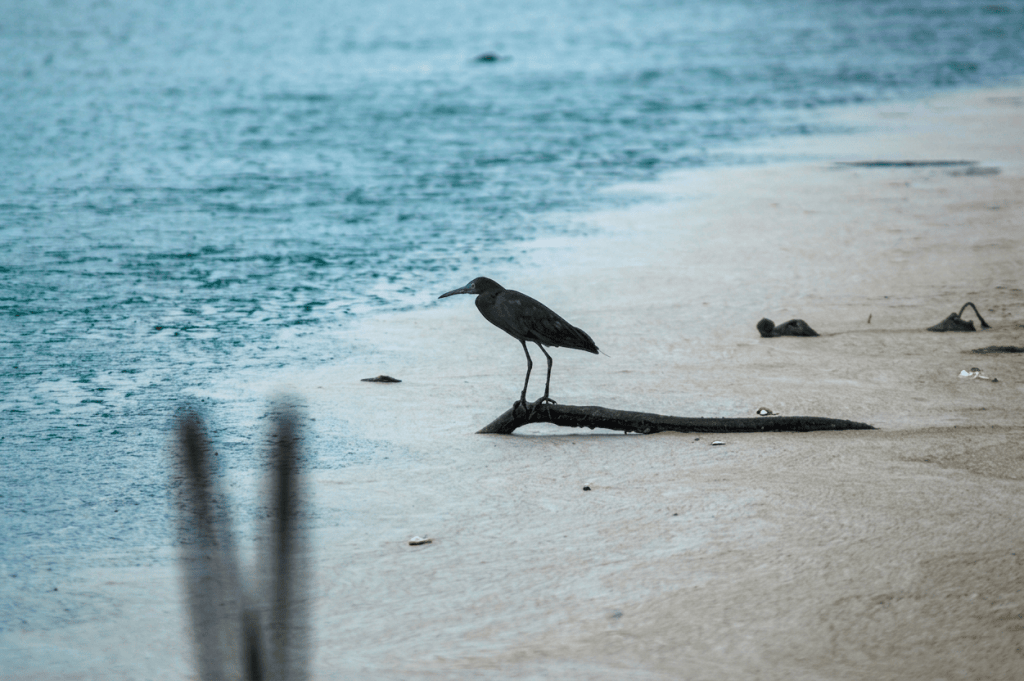
    Pithlachocco is also a known spot for birding, which led to this photo series. The site hosts a plethora of incredible species, particularly those adapted to change, a defining characteristic of wet-lands.

    Wet-lands

    Wetlands are among the most characteristic ecosystems in Florida, shaped by the state’s shallow topography, abundant groundwater resources, and seasonal precipitation patterns. Their ecological character is closely tied to the dynamics of Florida’s extensive aquifer systems and fluctuating water tables, which cause wetlands to expand and contract throughout the year and across longer climatic cycles. Seasonal rainfall, drought, and groundwater discharge create constantly shifting mosaics of open water marsh, swamp, and upland habitats.

    These hydrological processes produce highly productive and biodiverse environments that support fish, amphibians, birds, reptiles, and plant communities adapted periodic flooding and drying and unstable environments through which the dynamic system of biodiversity emerges, through change, rather than equilibrium (Moi 2022).

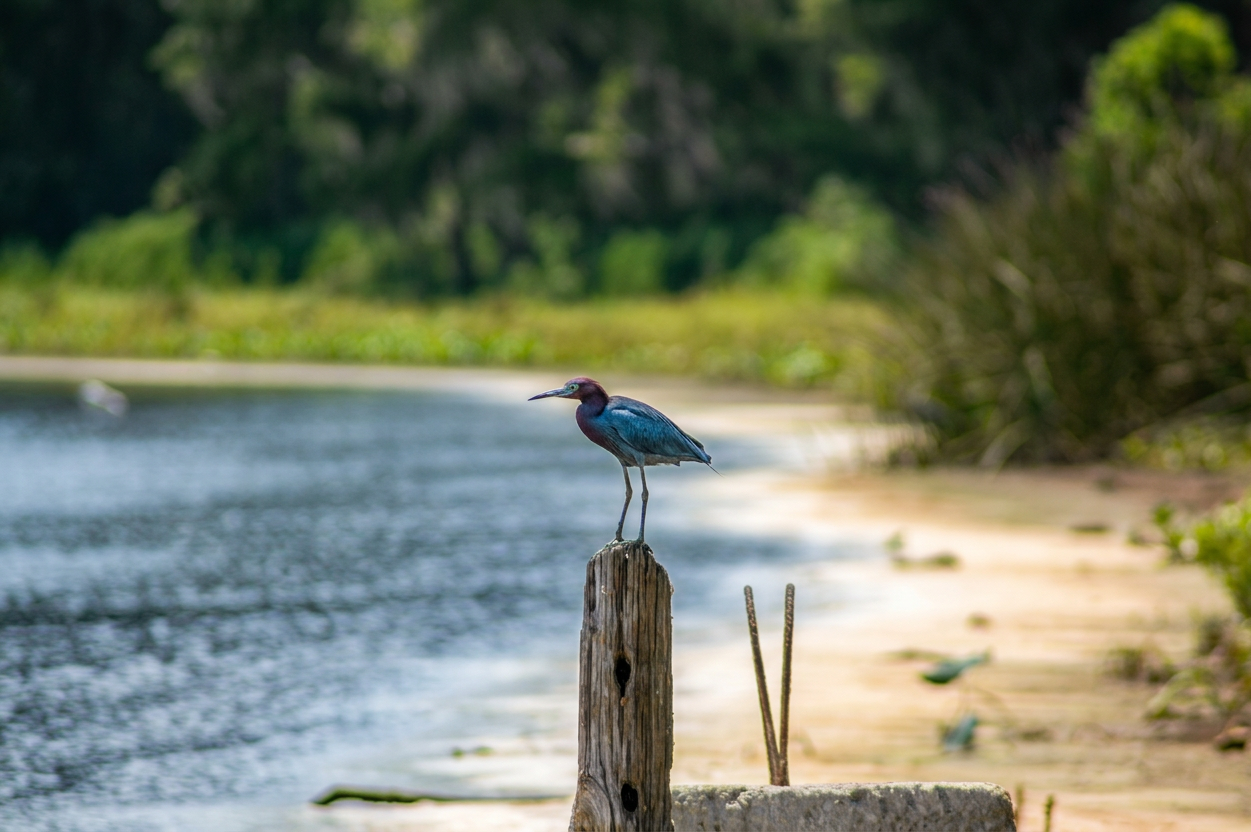
    A beautiful Little Blue Heron (Egretta caerulea) keeping watch.
    Little Blue Heron (Egretta caerulea).

    What does this mean for conservation strategies, ones which often promote a return to a singular abstract ‘baseline’?

    Perhaps these strategies should reflect a process-based approach to ecological restoration. Rather than simply repairing visible damage, seeking to restore the ecological functions that allow landscapes to become self-sustaining.

    Conservation

    This reframing should not diminish the importance of conservation, but instead provide a more realistic and inclusive foundation for the study of its management.

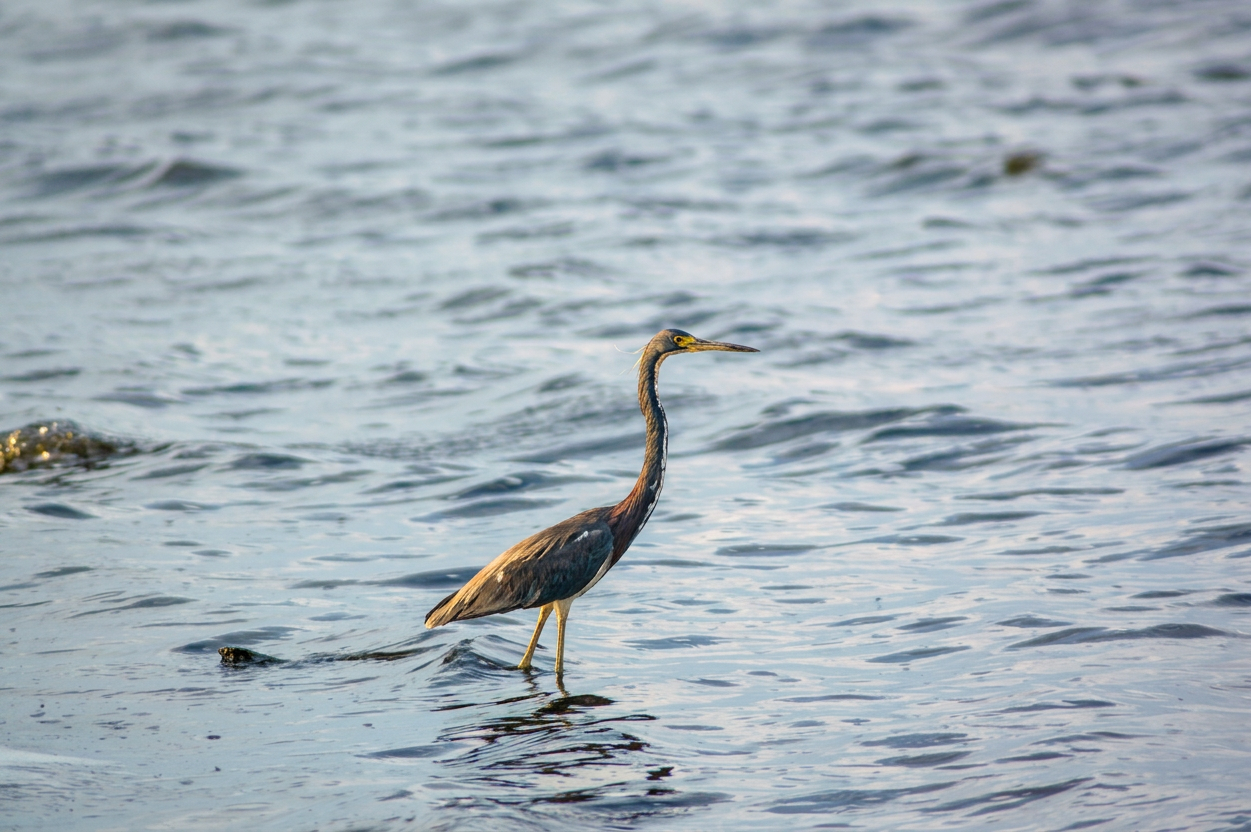
    A Tricolored Heron (Egretta tricolor), also known as the Louisiana Heron.

    1. Water Supply, Quality, and Regulation

    In many ecosystems, water is the master variable that controls everything from soil chemistry to plant communities and wildlife distributions.

    In Florida, restoration focuses on:

    • restoring more natural flow regimes
    • improving water quality by reducing nutrients (especially phosphorus and nitrogen!)
    • reconnecting rivers, wetlands, floodplains, and aquifers

    2. Reconnection of Ecosystems

    Healthy ecosystems depend on connectivity. Roads, canals, dams, urban development, and drainage projects can isolate habitats, preventing movement of water, nutrients, fish, wildlife, and even plants.

    Rehabilitation therefore seeks to reconnect:

    • wetlands with adjacent uplands
    • rivers with floodplains
    • estuaries with freshwater inflows
    • wildlife populations through habitat corridors

    Restoring connectivity improves biodiversity because species can disperse, recolonize disturbed areas, and maintain genetic diversity. It also increases ecosystem resilience to hurricanes, droughts, invasive species, and climate change.

    3. Sustainable Economy

    Modern restoration recognizes that ecosystems cannot simply be “protected from people.” Instead agriculture, transportation, and industry must operate in ways that are compatible with ecological processes.

    This includes:

    • protecting wetlands during development
    • reducing nutrient runoff from agriculture
    • balancing economic growth with long-term ecosystem health

    Florida illustrates this challenge perhaps better than any state. Rapid population growth increases demand for housing, roads, drinking water, and agriculture while simultaneously placing pressure on wetlands, springs, estuaries, and coastal ecosystems.

    Conclusions

    Water levels have always drastically fluctuated in Florida. These fluctuations are a critical aspect of the region’s ecology, influencing not only the flora and fauna but also my archaeological work! It’s essential to recognize that such changes are not just temporary; they form a pattern that has shaped the landscape and the lives of those who have inhabited it for millennia.

    References

    Cooke, C. W. (1939). Scenery of Florida: interpreted by a geologist: No. 17. Florida Geological Survey.

    Miller, J. J. (1997) Hydrogeology of Florida. In The Geology of Florida, edited by A. F. Randazzo and D. S. Douglas, pp. 69-88. University Press of Florida, Gainesville.

    Moi, D.A., Lansac-Tôha, F.M., Romero, G.Q., et al. (2022) Human Pressure Drives Biodiversity-Multifunctionality Relationships in Lage Neotropical Wetlands, Nature Ecology & Evolution, 6(9), 1279–1289. https://doi.org/10.1038/s41559-022-01827-7

    National Integrated Drought Information System. (2026, April 16). Drought status update for the Southeast. Drought.gov. https://www.drought.gov/drought-status-updates/drought-status-update-southeast-2026-04-16

    U.S. Department of Agriculture (USDA) (1985). Soil Survey of Alachua County, Florida. Soil Conservation Service, Washington, D.C.

    Wheeler, R. J., Miller, J. J., McGee, R. M., Ruhl, D., Swann, B., & Memory, M. (2003). Archaic Period Canoes from Newnans Lake, Florida. American Antiquity, 68(3), 533–551. https://doi.org/10.2307/3557107